
Saturday, August 1, 4 – 6 PM
Reception and Conversation between Authors
Conversation, 4:30 – 5:30 PM
Vermont Law and Graduate School
Debevoise Hall Map Room and Nina Thomas Classroom
164 Chelsea Street, South Royalton, VT
(reception catered by the Law School Cafe and book will be available for purchase)
In-Conversation Contributors
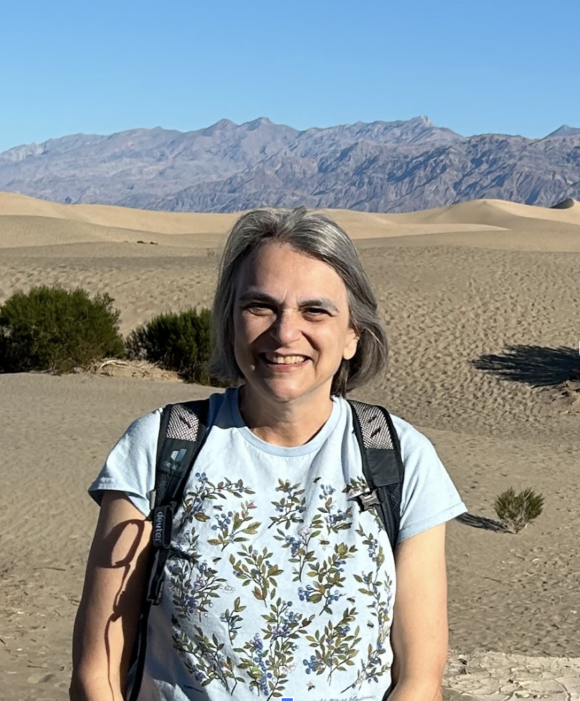 Dr. Julie Reiss is a Brooklyn-based art historian and critic with a focus on the role artists can play in social change. She is the editor of Ed Levine: The Embodied Experience of Art and is a pioneering scholar in the field of Installation art. She has lectured and taught extensively on environmental art, currently teaching courses on Art and Sustainability at Columbia University. In addition to serving as editor, she contributed an essay to the book that describes the genesis and construction of Vermont Village.
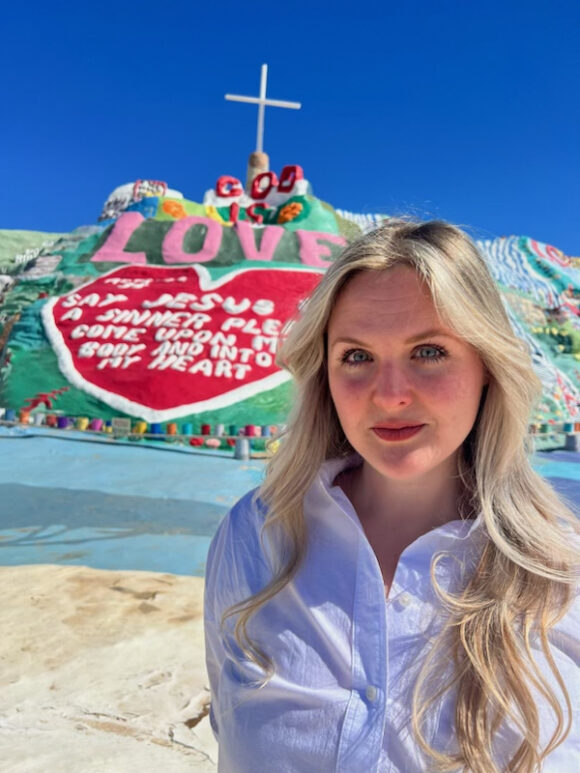 Annalise Flynn is an independent curator and art historian based in Sheboygan, Wisconsin where she manages SPACES on behalf of the Kohler Foundation. Flynn’s work centers on highlighting vernacular creative activity, using material, collective memory, and place as research pillars. Her essay in Ed Levine: The Embodied Experience of Art places Vermont Village within the genre of artist-built environments.
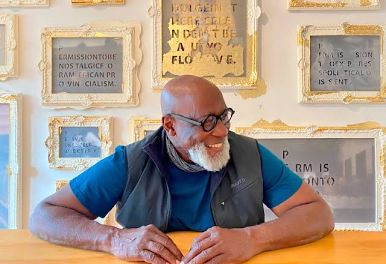 Clarence Morgan is a Chicago-based artist whose work is rooted in the language of abstraction. He and Levine met in the 1980s at the School of Art and Design at East Carolina University where both artists taught. Morgan later became a faculty member at the University of Minnesota, serving as chair of the Department of Art from 2004 to 2010. For the book, Morgan contributes a reflection about his relationship with Ed Levine.
 Penny Balkin Bach is an independent curator, public art advisor, and writer. She is the former Executive Director and Chief Curator at the Association for Public Art in Philadelphia, where she worked with Levine to develop the three-part installation, Embodying Thoreau: dwelling, sitting, watching, 2003 for Pennypack Park in Philadelphia. For the book, she writes about how Levine translates Thoreau’s themes of solitude, introspection, and humanity’s relationship with nature into a public art experience.
Ed Levine: The Embodied Experience of Art chronicles Levine’s life and career through scholarly essays, statements from colleagues, a detailed chronology, and reprinted texts from Levine’s corpus of critical writing. It is also the first publication to document his most ambitious artwork, Vermont Village: A Conversation between Art, Water and the Land, a large-scale sculptural environment situated in South Royalton, Vermont. Vermont Village was Levine’s private endeavor for nearly 30 years. This summer, for the first time, visitors may sign up to tour Vermont Village by registering online here.
The publication also marks the 20-year anniversary of the creation of the Harpo Foundation, which Levine established in 2006, commemorating two decades of support to under-recognized visual artists.
Copies of the book will be available for purchase at the event or online at this link.